

Digital Products to Sell: How to Choose an Idea People Will Actually Buy
A calm, honest guide to choosing a digital product that sells. The product types that work, how to find an idea people want, and why validation beats hope.
Digital products get sold to you as passive income magic. Make it once, sell it forever, earn while you sleep. Part of that is true. Part of it is the marketing that keeps people building things nobody buys.
Here is the honest version, from someone building digital products in the open. The “make once, sell many” part is real and genuinely powerful. The “effortless” part is not. The hard work simply moves to the front: choosing the right idea, and proving people want it before you build. Get the idea right and the rest follows. Get it wrong and no amount of polish saves it.
The one honest rule: a digital product is only as good as the problem it solves. Nobody buys a beautiful file. They buy the result it gives them.
What counts as a digital product
A digital product is anything you create once, deliver electronically, and sell repeatedly without remaking it. The common, beginner-friendly types:
- Printables and planners. Trackers, planners, worksheets, checklists. Low barrier, broad demand. Covered in depth in how to sell printables online.
- Templates. Spreadsheets, documents, design files, notion setups. People pay to skip the setup work.
- Digital tools and resources. Guides, workbooks, swipe files, and reference packs that solve a specific task.
- Courses and mini-courses. Teaching a skill you have, packaged to learn at their own pace.
- Stock assets. Graphics, fonts, presets, and audio for other creators.
You do not need all of these. You need one that fits a real problem you understand.
The mistake almost everyone makes
Most people start from inspiration. “I love planners, I will make a planner.” Then they spend weeks building something gorgeous, list it, and hear silence. The problem was never the quality. It was that they built from what they wanted to make, not from what people were already trying to solve.
The fix is to reverse the order. Start from a problem people already have and already search for, then build the product that solves it. That is the whole difference between a product that sells and a file that sits.
How to find an idea people will actually buy
Three questions, in order.
1. What problem do you understand well? Your own frustrations, your skills, the questions people ask you. You solve problems best when you have lived them.
2. Are people already searching for a solution? This is the step inspiration skips. If people are searching for it, demand already exists, you just have to meet it. Our companion guide, digital product ideas based on problems people already search for, shows exactly how to find these.
3. Can you solve it better, clearer, or calmer than what exists? You rarely need a brand-new idea. You need a noticeably better version of one people already buy.

How to create digital products to sell without wasting weeks
Choosing the idea (this page) is only half the job. The build is the other half, and the fastest way to create a digital product is to keep the first version tiny: one result, one file, one price. Write it in Docs or design it in Canva, export as PDF, and list it on Etsy or your own site in a weekend.
Do not build the full course, the full bundle and the full website before your first sale. Your first five buyers will shape version two better than any planning will. When the idea is locked in, follow the complete build in how to create and sell digital products — that page picks up exactly where this one ends, with tools, listing copy and pricing.
Why validation comes before building
The single most valuable habit in digital products is validating the idea before you spend weeks making it. Confirming demand first turns product creation from a gamble into a calculated bet. It is not glamorous, and it is the reason some sellers succeed while others burn out on beautiful things nobody wanted. The full method is in how to validate a digital product idea.
The formats, by what they ask of you
Every format on this page can work. They differ in how long you spend before the first sale and how much of your time each sale keeps taking afterwards.
| Format | Time to build a first version | Support burden after | Suits you if |
|---|---|---|---|
| Printable or template | Hours to days | Almost none | You want to test the whole loop quickly |
| Spreadsheet or tool | Days to weeks | Occasional questions | You are comfortable making something that has to work |
| Short guide or ebook | Days to weeks | Almost none | You can explain a thing better than most |
| Course | Weeks to months | Ongoing, often heavy | You already have an audience asking |
The support column is the one first-time makers forget. A course is not four printables’ worth of work, it is four printables’ work plus answering questions for as long as it stays on sale.
Choosing your first product
For a first product, favour something with a low build cost and clear, provable demand. Printables and simple templates are ideal, because you can make a strong one relatively fast and test the market quickly. Save the big, ambitious course for after you have proven you can sell the small thing.
Once you have chosen, the create and sell digital products guide walks you from idea to live listing.
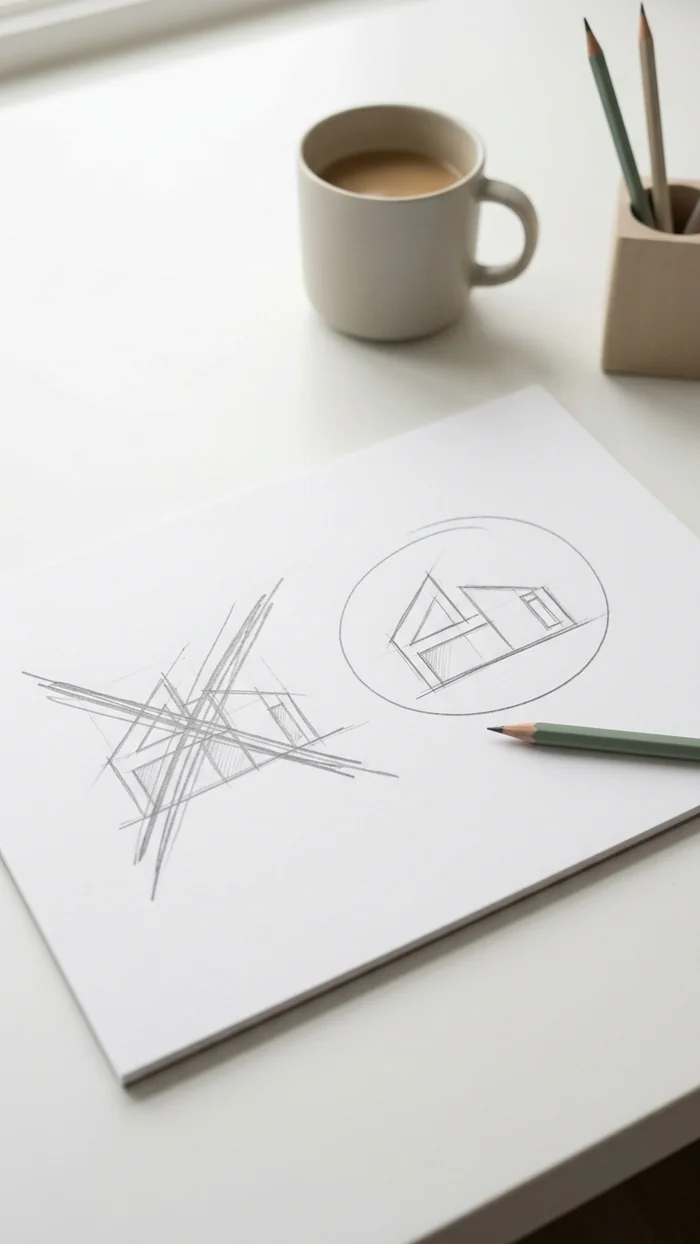
How do I find a digital product idea that actually sells?
Look for questions people are already typing: “how to budget for beginners”, “planner for ADHD”, “first apartment checklist”. Check Etsy and Pinterest search suggestions around your topic — if suggested searches exist, demand exists. Then confirm at least a few strangers want it before building, using the validation steps in how to validate a digital product idea.
Frequently asked questions
What digital products sell best for beginners?
Printables, planners, and simple templates sell well for beginners because they have broad demand and a low build cost. They let you make a quality product quickly and test the market before investing in anything bigger.
How do I know if a digital product will sell?
Check whether people are already searching for a solution to the problem it solves. Existing search demand is the clearest signal that buyers exist. Validating demand before you build is what separates products that sell from files that sit unsold.
Are digital products really passive income?
The “make once, sell many times” part is real, but the work is front-loaded into choosing the right idea, validating it, and marketing it. It is a powerful model, not an effortless one.
What is the easiest digital product to start with?
A printable or a simple template. Both have a low barrier to create, clear demand, and let you test whether people will buy before you invest weeks in something larger.
One calm next step
Do not start designing. Start with the problem. Write down three problems you understand well, then move to digital product ideas based on problems people search for to see which ones have real demand behind them.
Choosing well is the whole game. Build the right thing, and selling gets far easier. When it does sell, the free One-Month Money Reset Kit helps you track what actually came in against what you spent getting there.
Useful outside perspectives: Pinterest’s ongoing digital product business ideas and Podia’s guide to creating and selling printables.
Free kit
Get the Free Money Reset Kit.
Found this useful?
Pin it to come back to laterKeep reading
A few useful next steps
How to Create and Sell Digital Products as a Beginner
A start-to-finish guide to creating and selling your first digital product. From idea to design to your first live listing, without the passive-income hype.
Digital Product Ideas That Solve Real Problems (and How to Find Them)
Stop guessing at digital product ideas. A repeatable way to find ideas people already search for, plus categories of problems that reliably sell.
How to Sell Printables Online: A Practical Start to Finish Guide
A practical, experience-led guide to selling printables online. What to make, how to design and format them, where to sell, and how to actually get found.