

How to Validate a Digital Product Idea Before You Spend Weeks Making It
Do not build in the dark. A simple, honest way to validate a digital product idea before you invest weeks, so you build things people actually buy.
This is the least glamorous step in building digital products, and the one that decides whether you succeed. Skipping it is why so many people pour weeks into a beautiful product, list it, and hear nothing. The work was fine. The demand was never there, and they never checked.
Validation is simply confirming that people want the thing before you build it. It is not exciting, and it is the difference between a calculated bet and an expensive guess. Do it for an afternoon and you save yourself weeks of building into silence.
The one honest rule: falling in love with your idea is the enemy of validating it. Test whether strangers want it, not whether you do. You are not the customer.
Why validation matters more than the product
You can build the most polished planner in the world, and if nobody is looking for it, it sells nothing. You can build a plain, clear one that solves a problem people actively search for, and it sells steadily. Demand beats polish. Validation is how you find the demand before you commit the effort, which is exactly what turns product creation from a gamble into a bet you can size.
What validation is not
It is not asking your friends if they like your idea. They will be kind, and kindness is not data. It is not a vague sense that “people probably want this.” And it is not building the whole thing and hoping. Validation is looking for real evidence, from real strangers, that demand exists before you invest.
A simple validation process
1. Confirm the problem is real and shared. Is this a problem many people have, or mostly just you? Look for it being discussed, complained about, and asked about in communities and searches. A widely shared problem is the foundation.
2. Check for existing search demand. Are people actively searching for a solution? Search suggestions and marketplace search bars reveal what people look for. Existing search demand is the single clearest signal that buyers exist, the approach in digital product ideas based on problems people search for.
3. See if similar products already sell. Competition is not a warning, it is proof of a market. If similar products exist and are selling, people are already paying for solutions. Your job is to be a clearly better one, not the only one.
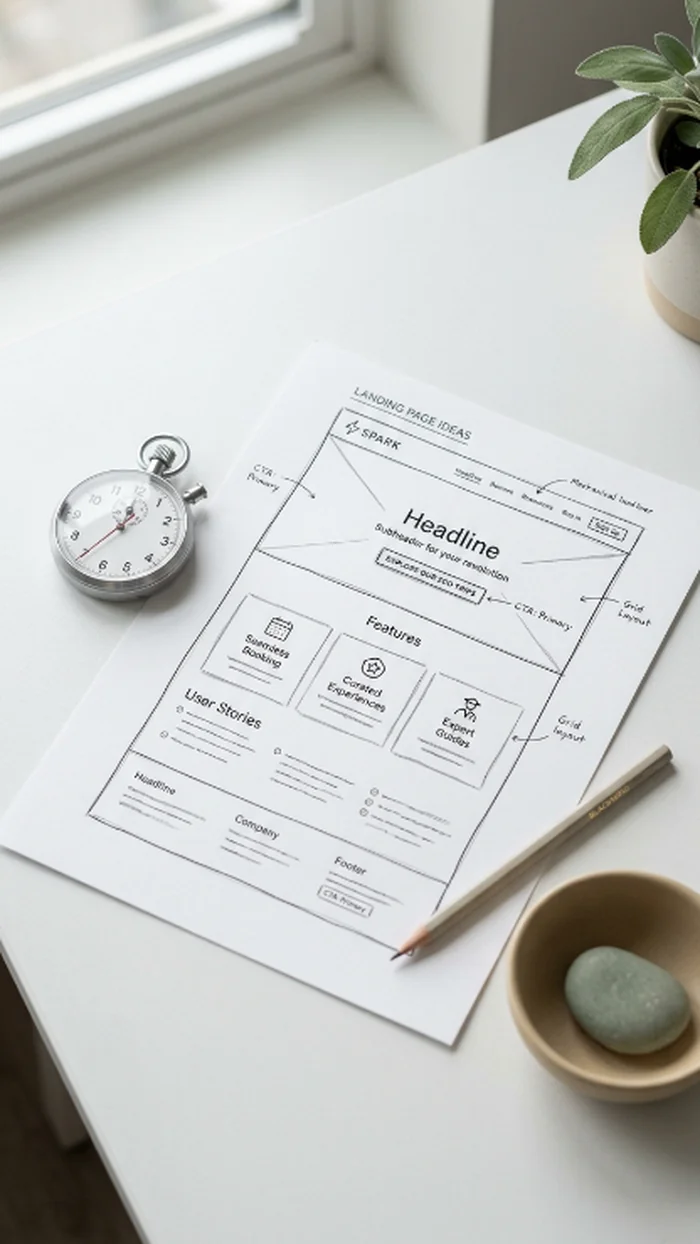
4. Test the specific idea cheaply. Before building the full product, put the idea in front of real people in a low-cost way. Share the concept and gauge genuine interest. Offer a small free sample and see if people actually take it. Create the listing or a simple landing description and watch whether anyone engages. Real reactions from strangers beat imagined ones every time.
Reading the signals honestly
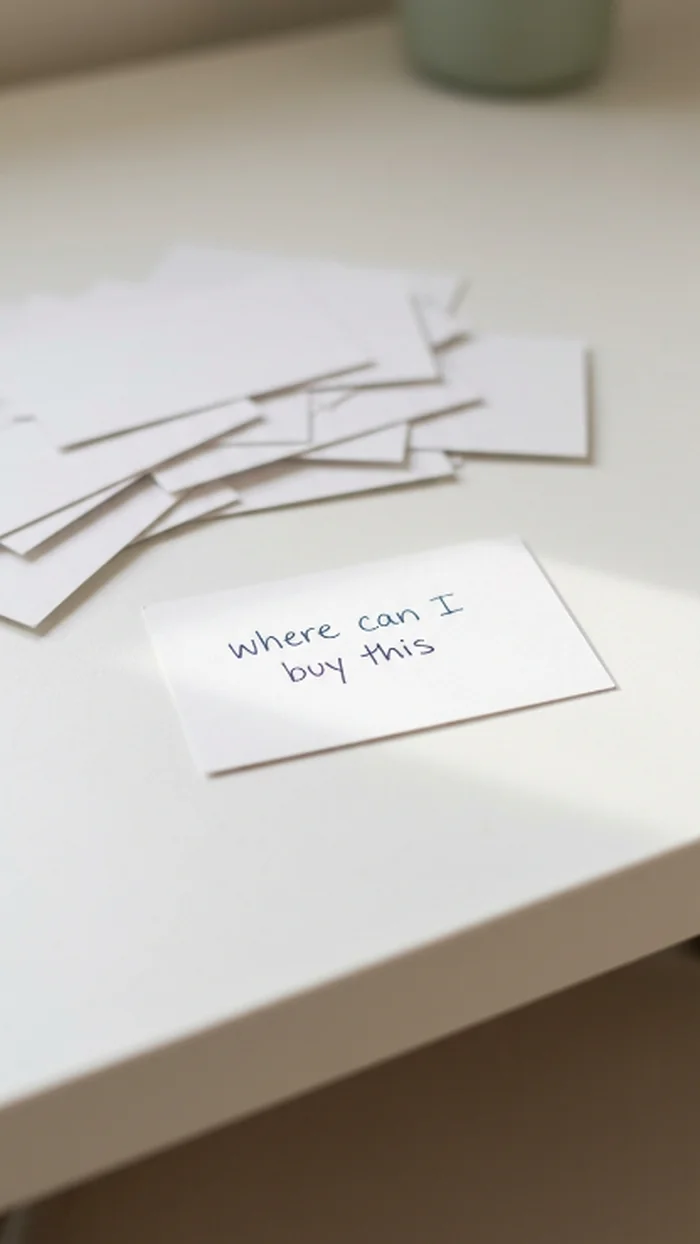
The hard part of validation is being honest about what you see. Weak, polite interest is a no. Silence is a no. Genuine “where can I buy this,” people taking a free sample, or real engagement is a yes. Do not talk yourself past a lukewarm response because you already love the idea. The whole point is to hear the market before it costs you weeks.
What counts as a real signal
- Someone asks what it costs before you have mentioned a price
- Someone describes their problem back to you in more detail than you gave them
- Someone asks when it will be ready
- Someone pays a deposit, pre-orders, or joins a waitlist that costs them something
- Two or more strangers, not friends, ask the same question about it
Everything softer than that is politeness. “That sounds useful” and “I would definitely buy that” are what people say to be kind, and treating them as evidence is the most expensive mistake in this whole process, because it feels exactly like validation while costing you weeks.
When validation says no
A no is a gift, not a failure. It just cost you an afternoon instead of a month. Adjust the idea, narrow the audience, or move to the next candidate on your list. Validation does not kill your dream of selling digital products, it protects it, by making sure the thing you build is the thing that sells.
Frequently asked questions
How do I validate a digital product idea?
Confirm the problem is widely shared, check for existing search demand, see whether similar products already sell, and test the specific idea cheaply before building. Look for genuine interest from strangers, not polite approval from friends.
Why is validating a product idea important?
Because demand, not polish, decides whether a product sells. Validating first prevents you from spending weeks building something nobody wants, turning product creation from a gamble into a calculated bet.
Does competition mean my idea will not sell?
No. Existing competition proves a market exists and people are paying for solutions. Your goal is to offer a clearly better, cleaner, or more specific version, not to find a problem nobody else has addressed.
How do I validate without building the product?
Share the concept with real people, offer a small free sample to see if anyone takes it, or create a simple listing or landing description and watch for engagement. These low-cost tests reveal genuine demand before you invest in building.
What if my idea fails validation?
Treat it as a cheap, useful no. Adjust the idea, narrow the audience, or move to the next candidate. You have saved weeks of wasted work and can redirect that effort toward something people actually want.
One calm next step
Take your strongest idea and spend one afternoon on the four checks above before you design anything. That single afternoon is the highest-return work in the whole digital products path.
If it validates, build it with the create and sell guide. If it does not, you just dodged weeks of wasted effort, revisit digital products to sell and pick your next candidate. Once something does sell, the free One-Month Money Reset Kit helps you see the real margin once fees and time are in the picture.
Free kit
Get the Free Money Reset Kit.
Found this useful?
Pin it to come back to laterKeep reading
A few useful next steps

How to Create and Sell Digital Products as a Beginner
A start-to-finish guide to creating and selling your first digital product. From idea to design to your first live listing, without the passive-income hype.
Digital Product Ideas That Solve Real Problems (and How to Find Them)
Stop guessing at digital product ideas. A repeatable way to find ideas people already search for, plus categories of problems that reliably sell.
Digital Products to Sell: How to Choose an Idea People Will Actually Buy
A calm, honest guide to choosing a digital product that sells. The product types that work, how to find an idea people want, and why validation beats hope.