

How to Cancel Subscriptions and Save Money Every Month
The average person spends more on subscriptions than they think. A simple 20 minute audit to find every one, including the hidden ones, and stop the leak.
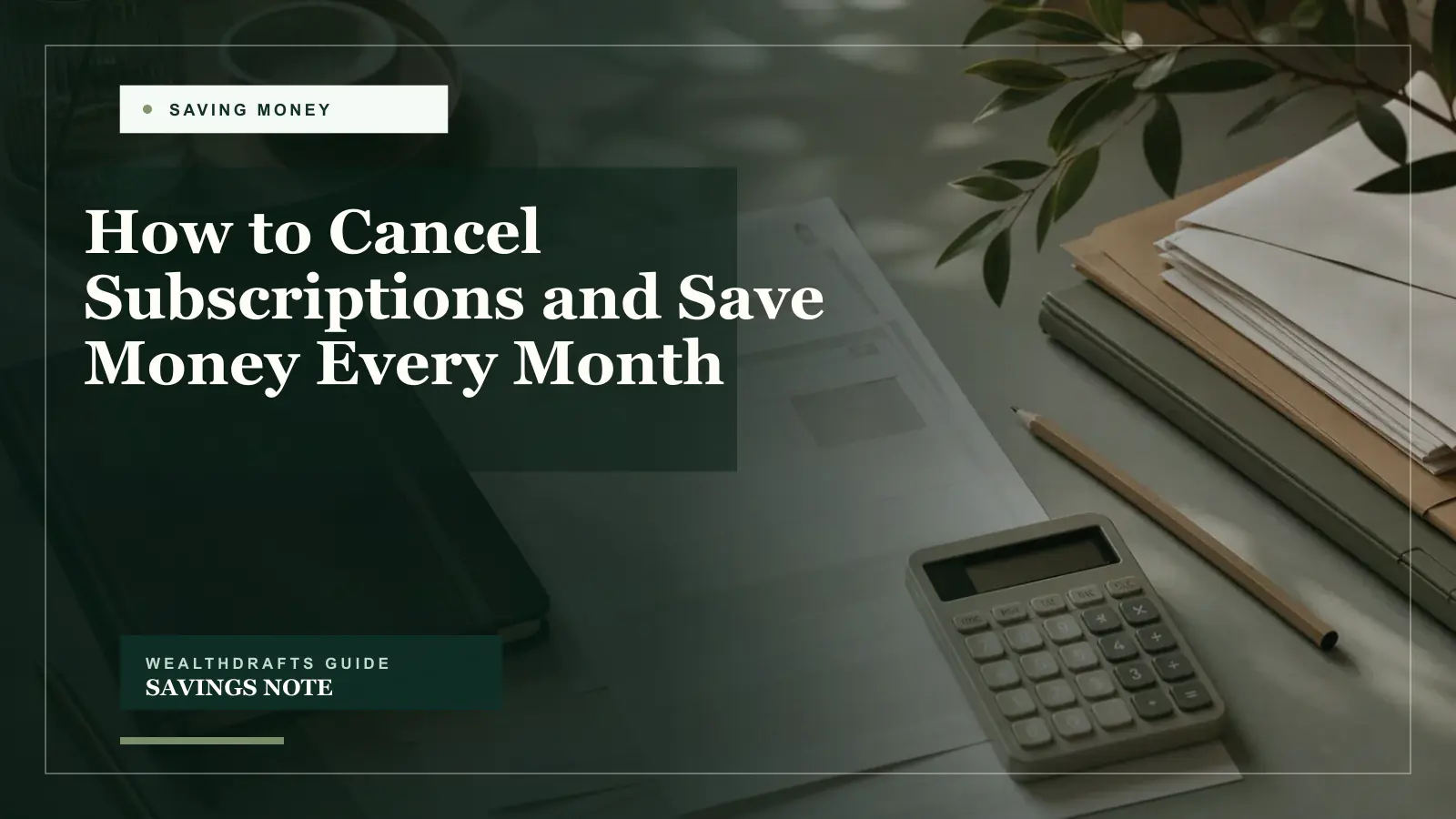
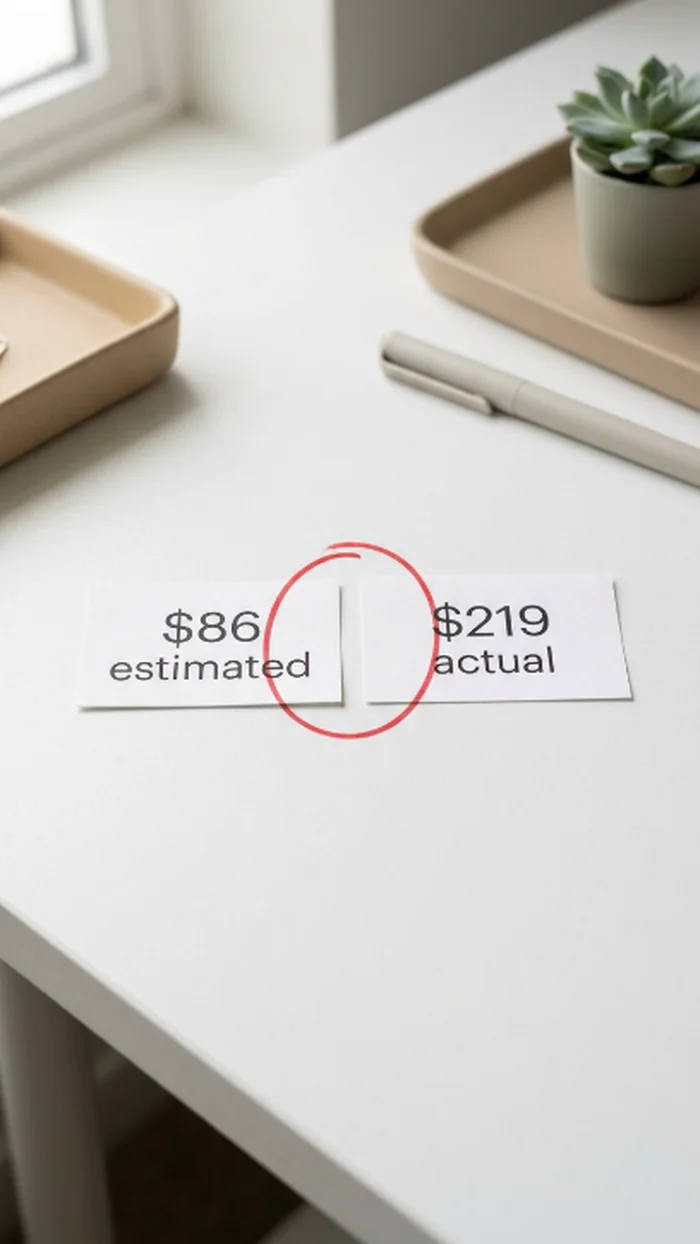
Here is an uncomfortable little stat to start with. In a widely cited C+R Research survey, people estimated they spent about $86 a month on subscriptions. Their actual average was $219. That gap, more than $130 a month you do not even realise is going out, is some of the easiest money you will ever save.
You do not need to live without nice things. You just need to see clearly what you are paying for, and stop the ones you forgot you had.
Why subscriptions leak so quietly
Subscriptions are designed to be invisible. Small amounts, automatic renewals, free trials that quietly convert, annual charges you forget between billings. None of it is big enough to notice on its own, which is exactly the problem. The leak is small and constant, so it never triggers an alarm.
The fix is not willpower. It is just looking, once, on purpose.
Nobody overspends on subscriptions on purpose. They overspend because the charges are small, automatic, and easy to forget. Seeing the full list is the whole fix.
The 20 minute subscription audit
Set a timer. This genuinely takes about twenty minutes, and it is the highest-paid twenty minutes in your month.
- Find them all. Open your bank and card statements and scroll the last two or three months. Look at app store subscriptions, PayPal, and any “buy now pay later” accounts too. Write down every recurring charge, the amount, and how often it bills.
- Catch the annual ones. The yearly charges are the sneakiest, because they hide between billings. Scroll back twelve months so you catch them.
- Decide each one in seconds. For every subscription, ask one question: did this earn its place this month? Keep, cancel, or pause. Do not overthink it. Your gut is usually right.
- Cancel the no’s immediately. Do it while you are looking at it. “I will cancel later” is how it survives another year.

What usually hides in the list
When people actually do this, the same culprits show up. Streaming services you stopped watching. A second music app. The gym you have not visited since February. Cloud storage you forgot you doubled. A trial that became a paid plan. An app you used once.
None of these are moral failings. They are just momentum. The audit is how you stop paying for last year’s intentions.
| Cancelled | Monthly | Yearly |
|---|---|---|
| A streaming service you stopped watching | $12 | $144 |
| A trial that converted quietly | $9 | $108 |
| An app you used twice | $5 | $60 |
| Total from twenty minutes | $26 | $312 |
Three cancellations is a modest result for an audit, not an impressive one, and it still returns $312 a year for twenty minutes of work. Redirected to savings on the same day, that is most of a starter emergency fund inside three years without earning a penny more.
Put the found money to work
Cancelling is satisfying, but the saved money does something useful only if you redirect it. The day a subscription stops, move that same amount into savings, or it quietly gets absorbed back into everyday spending.
This is the perfect fuel for your first $1,000 emergency fund or a savings challenge, because it is money you have already proven you do not miss. Found money is the easiest money to save.
The honest part
Some subscriptions are worth every cent. The audit is not about cancelling everything, it is about cancelling the ones you forgot you had. Keep what you genuinely use and enjoy. The goal is intentional spending, not a joyless life.
And subscriptions creep back. New trials, new apps, new “just this one.” That is why this works best as a quick habit, a five minute check every few months, rather than a one-time purge. The same weekly check-in that keeps a budget alive catches the creep early.
The free One-Month Money Reset Kit has a bills and subscriptions page built for that check, so the next round takes minutes rather than an evening.
Frequently asked questions
How do I find all my subscriptions?
Scroll your bank and card statements for the last two to three months and write down every recurring charge. Then check your phone’s app store subscriptions and PayPal separately, since those often hide charges your bank statement labels unclearly. Scroll back twelve months to catch annual ones.
How much does the average person spend on subscriptions?
More than they think. In a C+R Research survey, people estimated about $86 a month and actually averaged $219. That gap of over $130 a month is some of the easiest money you will ever reclaim.
Should I cancel or pause a subscription?
Cancel anything you have not used in the last month or two and would not miss. Pause, rather than cancel, the ones you genuinely use but want a break from, like a service you will return to in a busier season.
How often should I audit my subscriptions?
A quick five minute check every few months is enough to catch new trials and creeping renewals. A full audit once or twice a year, paired with the day you do your taxes or a seasonal reset, keeps the leak closed.
What happens to the money after I cancel?
Move it to savings the same day, or it quietly gets absorbed back into everyday spending. Found money from cancelled subscriptions is the easiest money to save, because you have already proven you do not miss it.
Start this week
Set a timer for twenty minutes and pull up your statements. Find every recurring charge. Cancel two you forgot about. Move that money to savings the same day.
Free kit
The free One-Month Money Reset Kit has a bills-and-subscriptions review built in, so the ones worth cutting are easy to spot before they creep back.
Found this useful?
Pin it to come back to laterKeep reading
A few useful next steps

The 100 Envelope Challenge: How to Actually Save $5,050
The 100 envelope challenge saves $5,050 in 100 days. How it works, how much you save weekly, a lower-income version, and how to actually finish it.
The 52 Week Savings Challenge, Reworked for Real Pay
Save about $1,378 in a year, one deposit a week. How the 52 week challenge works, a friendlier version for real budgets, and how to finish it.
Cash Stuffing Without the Cash: Digital Envelopes That Actually Work
Cash stuffing for beginners without carrying cash: how digital envelopes work, the best categories to stuff, and when physical cash still helps.