

7 Savings Challenges That Actually Work (and How to Pick Yours)
Seven savings challenges that genuinely build momentum, compared side by side, from a $500 starter to the 100 envelope challenge, and how to choose one.
A savings challenge works for one quiet reason: it turns a vague wish into a visible game. Instead of “I should save more,” you get a clear target, a simple rhythm, and a little hit of progress every time you move money. That visible progress is most of the magic.
But not every challenge fits every person or every goal. The trick is matching the challenge to what you are actually saving for, and to the kind of person you are. Here are seven that genuinely work, how they compare, and how to choose. If you specifically want to know what is newly popular this year, that is covered separately; this list is the evergreen set that holds up regardless of the calendar.
The seven at a glance
| Challenge | You save | Over | Best for |
|---|---|---|---|
| $500 starter fund | $500 | 1 to 3 months | Your very first savings win |
| $1,000 emergency fund | $1,000 | 2 to 6 months | A real safety net |
| 100 envelope challenge | $5,050 | About 3.5 months | Fast, fun momentum |
| 52 deposit challenge | About $1,378 | A year | A quiet, steady habit |
| No-spend reset | Varies | A week or a month | Breaking overspending |
| Sinking funds | Varies | Ongoing | Known future bills |
| Custom goal | You decide | You decide | One specific thing |
Now the detail on each, so you can see which one fits your life.
1. The $500 starter fund
The best first challenge for almost everyone. Five hundred dollars is enough to absorb a small surprise, and close enough to reach that you can feel it working within weeks. If you have never finished a savings goal, start here. A quick win now is worth more than a perfect plan later.
2. The $1,000 emergency fund
The natural next step. A thousand dollars covers most real emergencies and turns a crisis into an annoyance. It takes longer, so it rewards a steady rhythm over a sprint. Full method here: how to build your first $1,000 emergency fund.
3. The 100 envelope challenge
The viral one, and it earns its reputation. Fill a hundred numbered envelopes and you reach $5,050 in about a hundred days. It is fast, fun, and very motivating, with one honest catch: the money is back-loaded, so it gets heavy near the end. Best as a short burst. Full breakdown: the 100 envelope challenge.
4. The 52 deposit challenge
One deposit a week for a year, often growing each week. Calm, slow, and steady, it suits people who want a quiet background habit rather than an intense push. A small tweak makes it far easier on a real budget: save on payday instead of a fixed calendar, and run the big weeks when you have more, not less. The full breakdown, including a friendlier version of the classic 52-week challenge, covers exactly that tweak in detail.
5. The no-spend reset
Not a saving challenge exactly, a spending one. You pick a set period, often a week or a month, and pause all non-essential spending. Done right it is a reset, not a punishment, and the real prize is what you learn about where your money actually goes.
6. Sinking funds
The least flashy and arguably the most useful. You save small amounts toward costs you know are coming, so they stop ambushing your month. Less a challenge, more a quiet system that makes everything else calmer. Here is how: sinking funds.
7. A custom goal challenge
Sometimes the best challenge is the one shaped around your actual goal. A trip, a deposit, a course, a cushion. You set the target, the timeline, and the rhythm, and you save toward the thing you actually want. Motivation is rarely a problem when the goal is real to you.
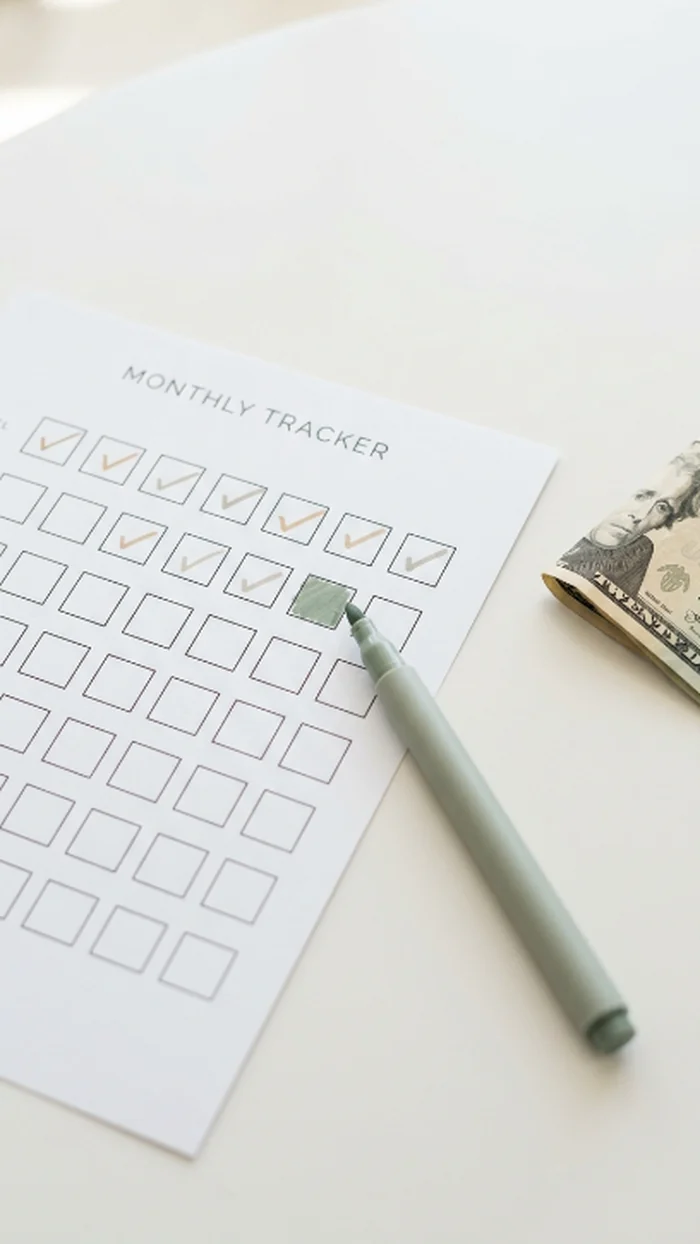
Whichever you pick, one rule keeps it honest: only mark progress once the money has actually moved. Coloring a box you have not funded just decorates the plan.
How to pick the one you’ll finish

A few honest questions sort it quickly.
- New to saving? Start with the $500 starter. Confidence first.
- Want a safety net? The $1,000 emergency fund.
- Want fun and fast? The 100 envelope challenge.
- Want quiet and steady? The 52 deposit challenge.
- Spending feels out of control? A no-spend reset.
- Tired of surprise bills? Sinking funds.
- Saving for one specific thing? A custom goal.
The worst challenge is the impressive one you abandon in week three. The best one is the slightly boring one you actually finish.
Common mistakes that end a challenge early
- Picking the biggest, flashiest one first. Match it to your budget, not the trend.
- Keeping the money where you can spend it. Separate account or jar, always.
- Going all-or-nothing. A missed week is a pause. Resume, do not restart.
- No reason behind it. Tie the challenge to a real goal so motivation outlasts the novelty.
The honest part
A challenge builds the habit and the momentum. It does not, on its own, fix an unbalanced budget. If there is nothing left to save at the end of the month, the challenge is not the problem, the math is, and that is worth facing directly rather than blaming your willpower. Here is why most budgets fail and how to fix the gap.
The free One-Month Money Reset Kit is the faster way to see the gap itself, by totalling one honest month before you pick a challenge.
Frequently asked questions
What is the best savings challenge for beginners?
The $500 starter fund. It is small enough to finish quickly, which gives you a real win and the confidence to keep going. Once it is done, step up to the $1,000 emergency fund or a challenge tied to a specific goal.
Which savings challenge saves the most money?
The 100 envelope challenge reaches $5,050 fastest, in about three and a half months at one envelope a day. The trade off is that the amounts are back-loaded, so it gets demanding near the end and works best as a short burst.
What is the 52 week savings challenge?
You make one deposit a week for a year, traditionally increasing the amount each week, which adds up to about $1,378. A friendlier version saves on payday and front-loads the bigger weeks to good months, so a tight week never breaks the run.
How do I save money if I have no money left over?
Start tiny and save first, on payday, before the money disappears, even if it is only a few dollars. If there is genuinely nothing spare most months, the fix is the budget or your income, not the challenge. A challenge builds the habit but cannot create money that is not there.
Where should I keep my savings challenge money?
In a separate account or a clearly labeled jar, away from everyday spending so it does not get reabsorbed. For longer challenges, a high yield savings account keeps the money accessible while earning a little interest.
Start this week
Pick one. Just one. Match it to your goal using the list above, decide where the money will live, and make the first deposit today.
Free kit
Whichever challenge you pick, the free One-Month Money Reset Kit's tracker keeps the deposits visible, so you can see the streak add up.
Found this useful?
Pin it to come back to laterKeep reading
A few useful next steps
The 100 Envelope Challenge: How to Actually Save $5,050
The 100 envelope challenge saves $5,050 in 100 days. How it works, how much you save weekly, a lower-income version, and how to actually finish it.
The 52 Week Savings Challenge, Reworked for Real Pay
Save about $1,378 in a year, one deposit a week. How the 52 week challenge works, a friendlier version for real budgets, and how to finish it.
Cash Stuffing Without the Cash: Digital Envelopes That Actually Work
Cash stuffing for beginners without carrying cash: how digital envelopes work, the best categories to stuff, and when physical cash still helps.