

How Interest Rates Change Your Debt Payoff Plan (and What to Do About It)
Rate checks have become a habit for a reason. What actually changes for your debt when rates move, and how to adjust your plan, not just watch headlines.

Checking interest rates has quietly become a daily ritual for a lot of people, savers and borrowers alike. If you have debt, that habit is not just background noise. Most credit card debt carries a variable rate, which means it moves with the broader rate environment, whether you are watching it or not.
Here is what that actually means for your payoff plan, and when it should change what you do.
Why your credit card rate is not fixed
Most credit cards charge a variable annual percentage rate, tied to a benchmark rate that shifts over time, which the CFPB explains in its guide to credit card interest. When that benchmark moves, your card’s rate typically moves with it, usually within a billing cycle or two. A lot of people assume their 24 percent rate is a fixed number stamped on the card forever. It is not. It is a moving target, and right now it is a fairly expensive one.
This matters most for whichever debt is highest-rate in your stack, which is exactly the debt the avalanche method targets first. A rate increase makes that debt more expensive every single month it sits there.

What actually changes when rates rise
- Your minimum payment can quietly go up. Even without adding a purchase, a rate increase can raise the interest portion of your minimum, meaning less of each payment chips into the principal.
- The gap between snowball and avalanche gets bigger. When rates are high, the interest saved by attacking the highest-rate debt first grows, which tips the math further toward the avalanche if you can stick with it.
- New debt gets more expensive to carry. If you are close to your limit and thinking about adding a purchase, a higher rate makes carrying that balance longer meaningfully more costly.
| $5,000 balance, paying $250 a month | At 22% | At 26% |
|---|---|---|
| First month’s interest | $91.67 | $108.33 |
| Total interest paid | $1,286 | $1,625 |
| Months to clear | 26 | 27 |
A four-point rise costs $339 over the life of this balance and adds a month. Noticeable, but not the emergency the phrase "rates are rising" suggests. The rate matters far less than the balance and the payment.
What changes when rates fall
Falling rates quietly work in your favor if you let them. The interest portion of your payment shrinks a little, which means slightly more of the same payment goes toward the actual balance. It rarely feels dramatic month to month, but it compounds. This is also usually the best window to check whether a consolidation loan or balance transfer is worth it, since lower rates across the board mean better offers.
A rate change does not require a new plan. It usually just changes how urgent your current plan is.

Should you pay off debt or save while rates are high?
This is the question that trips people up most. If your debt is charging more in interest than your savings account is paying you, and for the vast majority of credit card debt, it is, paying down the debt wins on pure math almost every time. A savings account paying 4 percent while a card charges 24 percent is not a close call. The one exception is your emergency fund. Keep a small starter cushion, even a partial one, so a surprise expense does not force you back onto the card you are trying to clear.
The honest part
You do not need to refresh rate news every day to manage this well. What actually matters is checking your own statements every couple of months to see if your rate moved, and adjusting your payoff order if the gap between your debts has changed. The plan itself, snowball or avalanche, does not need to change every time a headline does.
If you are unsure how much you have spare to put toward whichever debt is currently most expensive, the 50/30/20 rule will show you that number without guessing.
The free One-Month Money Reset Kit arrives at the same figure from the other direction, by totalling one real month rather than applying a percentage.
Frequently asked questions
Does my credit card interest rate change automatically?
Most credit cards carry a variable rate tied to a benchmark that moves over time. When it moves, your card’s rate typically adjusts within a billing cycle or two, without you doing anything.
Should I pay off debt or save money when interest rates are high?
If your debt’s interest rate is higher than what your savings is earning, which is true for almost all credit card debt, paying down the debt usually wins. Keep a small emergency cushion so you are not forced back onto the card for a surprise cost.
How do rising interest rates affect debt payoff?
Rising rates increase the interest portion of your payments, which slows how fast your balance actually drops and can quietly raise your minimum payment. It also widens the gap in savings between the avalanche and snowball methods.
Is it a good time to consolidate debt when rates are falling?
Falling rates often mean better consolidation and balance transfer offers across the board, so it is worth checking, especially if your current cards are carrying a notably higher rate than what is available now.
How often should I check my debt’s interest rate?
Checking your statements every couple of months is enough for most people. You do not need to track daily rate news, just notice if your own rate has shifted enough to change your payoff priorities.
Start this week
Pull your most recent statement for each debt and check the actual rate listed, not the one you remember from when you opened the account. If one has crept up noticeably, that is your new priority target, regardless of which method you were using before.
Free kit
The free One-Month Money Reset Kit has a debt-priorities page built in, so a rate change on one card does not mean rebuilding your whole plan from scratch.
Found this useful?
Pin it to come back to laterKeep reading
A few useful next steps
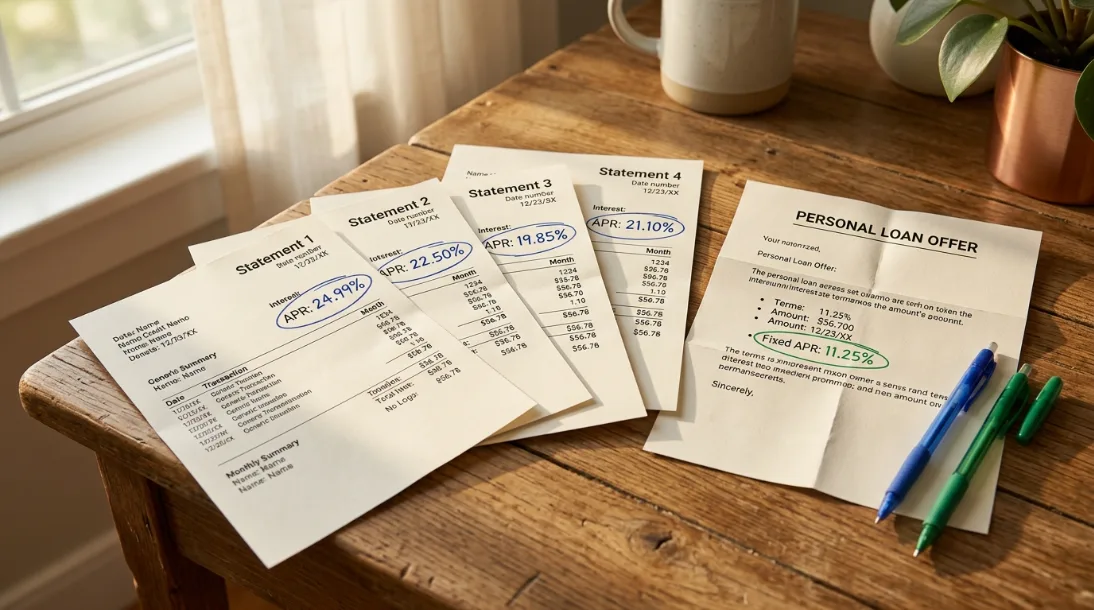
Debt Consolidation vs a Debt Payoff Plan: Which One Actually Saves You More?
Debt consolidation rolls your balances into one loan. A payoff plan just tells you what order to attack them in. Here is the real math on when each one wins.
Debt Snowball vs Avalanche: Which Payoff Method Actually Works?
The debt snowball saves your motivation. The avalanche saves your money. A side by side comparison with a worked example, and how to pick the one you'll finish.
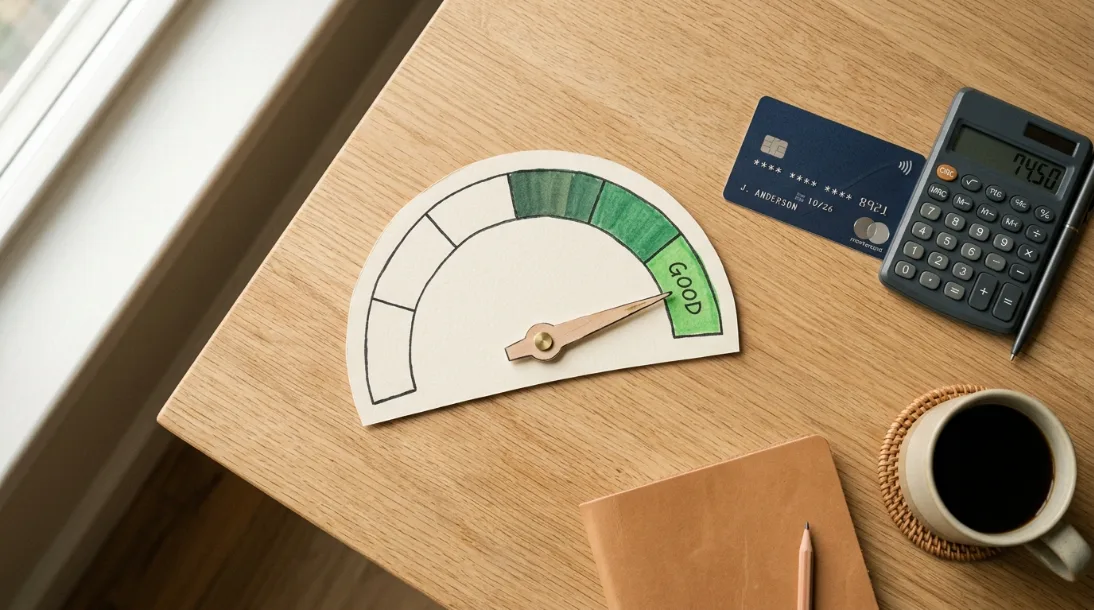
Does Paying Off Debt Raise Your Credit Score? What Actually Moves It
Paying off debt does not move your score the way most people expect. What actually changes it while you pay, and why the number sometimes dips first.