

Loud Budgeting: How to Say "That's Not in My Budget" Without the Awkwardness
What is loud budgeting? The meaning, real examples, and simple 'not in my budget' scripts to say no to spending without awkwardness or shame.
For years, the unspoken rule was that money was private and you simply absorbed the cost of keeping up. The dinner you could not really afford. The group gift. The trip that wrecked your month. You said yes and quietly paid for it, because saying “I cannot afford that” felt embarrassing.
Loud budgeting flips that. It is the simple, slightly radical act of saying your money limits out loud. “That is not in my budget this month.” No shame, no long explanation, just a plain fact. And it has quietly become one of the healthiest money habits around.
”Not in my budget” meaning
When someone says “that’s not in my budget”, it usually does not mean “I literally have no money”. It means: I have already decided where this month’s money is going, and this is not one of the places I chose.
That distinction is the whole point of loud budgeting. You are not pleading poverty and you are not asking permission. You are naming a prior decision — a bill, a debt payment, an emergency fund you are building, a savings challenge you want to finish — and letting that decision do the awkward work for you.
What loud budgeting actually is
Loud budgeting is choosing honesty over silent overspending. Instead of inventing an excuse or caving to keep the peace, you simply name your limit. “I am saving for something, so I am sitting this one out.” “Not this month, but I would love to do something cheaper.”
It is the opposite of the old approach, where you spent money you did not have to avoid an awkward moment. Loud budgeting trades two seconds of mild awkwardness for keeping your actual financial goals intact.
The “loud” part is not about announcing your bank balance. It is just about not hiding the fact that you, like everyone, have a budget.
Why it works
It works for a few reasons that go deeper than money.
It removes the pressure. Once you have said it out loud, there is nothing left to manage. No elaborate excuse to maintain, no quiet resentment building.
It gives other people permission. More often than not, when you say “that is not in my budget,” someone else exhales and says “honestly, me neither.” You are rarely the only one feeling the stretch.
And it protects your goals. Every “no” to something you did not really want is a quiet “yes” to the thing you are actually working toward, whether that is getting out of debt or building a cushion.
A short “that’s not in my budget” protects more goals than a long, apologetic explanation ever will. You do not owe anyone your reasons.
How to say it without the cringe
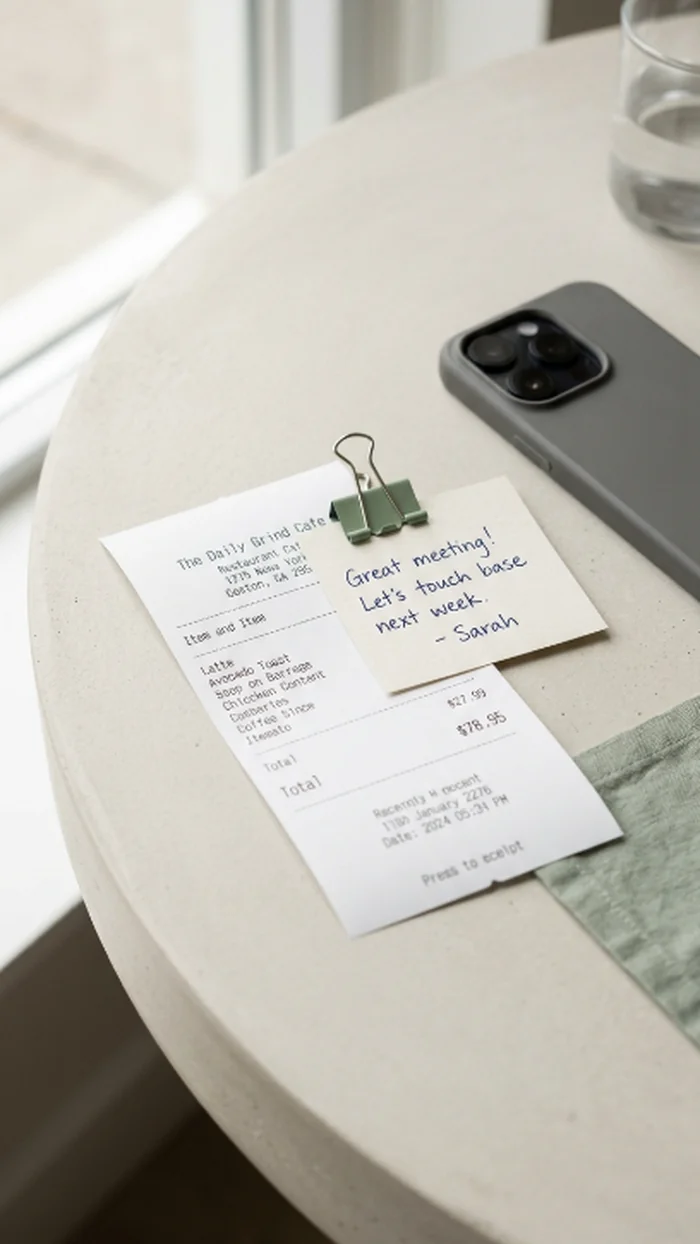
The trick is to be warm, brief, and unapologetic. You do not need to justify it. A few lines that work:
- “That is not in my budget this month, but I would love to do a coffee instead.”
- “I am on a saving push right now, so I am going to pass, but have the best time.”
- “Not for me this time. Let us find something cheaper to do together soon.”
- A simple “I cannot swing that one, but thank you for thinking of me.”
Notice none of these apologise or over-explain. They state the limit, offer warmth, and move on. The brevity is what keeps it from feeling heavy.

What it actually sounds like
The idea is simple and the execution is where people freeze. These are the situations that come up most, and a line for each that is warm rather than preachy.
Dinner you cannot afford this month
I want to see you, but a sit-down dinner is not in my budget this month. Can we do coffee instead, or my place?
Naming the alternative is what keeps it from sounding like a rejection.
A group gift you did not agree to
I am keeping gift spending to $20 this year, so count me in at that. Totally fine if the group wants to go bigger without me.
A number ends the negotiation faster than a reason does.
A trip everyone else has already booked
I am sitting this one out, it does not fit what I am saving for right now. Send photos and put me down for the next one.
"What I am saving for" reframes it as a choice you made, not a shortfall you suffered.
Someone pushes back
Honestly, it is just not where I want my money going this month. I am good, though, and I appreciate you asking.
One repetition, no new justification. People stop pushing when there is nothing left to argue with.
The honest part
It is a little uncomfortable the first few times. That is normal, and it fades fast. The first time you say it, your brain will brace for judgement that almost never comes. By the third or fourth time, it feels completely natural, and you will wonder why you spent years quietly overpaying to avoid a sentence.
Loud budgeting also only works if you actually know your limits, which means having a rough budget in the first place. If you are not sure where your line is, that is the place to start. Here is why most budgets fail, and the simple 50/30/20 rule will show you what you can genuinely say yes to.
The free One-Month Money Reset Kit gets you to the same line from real numbers, one month at a time.
Frequently asked questions
What is loud budgeting?
Loud budgeting is openly stating your money limits instead of quietly overspending to keep up. Rather than making an excuse, you simply say something is not in your budget. It became popular as a calmer, more honest alternative to hiding financial limits.
How do I tell people I can’t afford something?
Keep it short, warm, and unapologetic. Say “that is not in my budget this month” and offer a cheaper alternative if you want to. You do not owe anyone a detailed explanation, and brevity keeps the moment from feeling heavy.
Is loud budgeting a good idea?
For most people, yes. It removes the pressure of maintaining excuses, often gives others permission to admit the same, and protects your financial goals. The only requirement is knowing your limits, which means having a basic budget.
Isn’t talking about money rude?
Loud budgeting is not about sharing your bank balance. It is simply declining to hide that you have a budget, like everyone does. Done warmly and briefly, it tends to make money conversations more honest and less awkward, not more.
How do I start loud budgeting?
Begin with one low-stakes situation, like declining a small purchase or a pricey plan, using a short friendly line. Notice that the judgement you feared does not come. After a few times, naming your limits becomes a comfortable habit.
What does “not in my budget” mean?
It means you have already assigned this month’s money to other priorities, so this expense does not fit the plan you made. It does not necessarily mean your bank account is empty. Loud budgeting uses that exact phrase on purpose: short, factual, and hard to argue with, whether the real reason is a debt payment, a savings goal, or simply protecting your budget for the month.
Start this week
The next time something comes up that does not fit your month, try the sentence. “That is not in my budget this month.” Keep it warm, keep it short, and notice how much lighter it feels than quietly paying for it.
Free kit
To know your limits in the first place, the free One-Month Money Reset Kit walks you through a simple picture of what's coming in and going out, so your next "not in my budget" is backed by a number you actually trust.
Found this useful?
Pin it to come back to laterKeep reading
A few useful next steps

Budgeting Apps in 2026: Do You Need One, or Just a Better System?
Searches for budgeting apps exploded since Mint shut down. An honest look at what apps actually solve, what they do not, and how to tell if you need one.

Why Every Budget You've Tried Has Failed (and the Fix That Sticks)
Budgets do not fail at the math. They fail when one bad week feels like a broken month, so you quit. The honest reason, and the forgiving fix that lasts.

Why Saving Money Feels Impossible, and the One Rule That Fixes It
Saving fails because it has no payoff today. The behavioral fix is making progress visible, plus one simple rule that turns saving into momentum.